
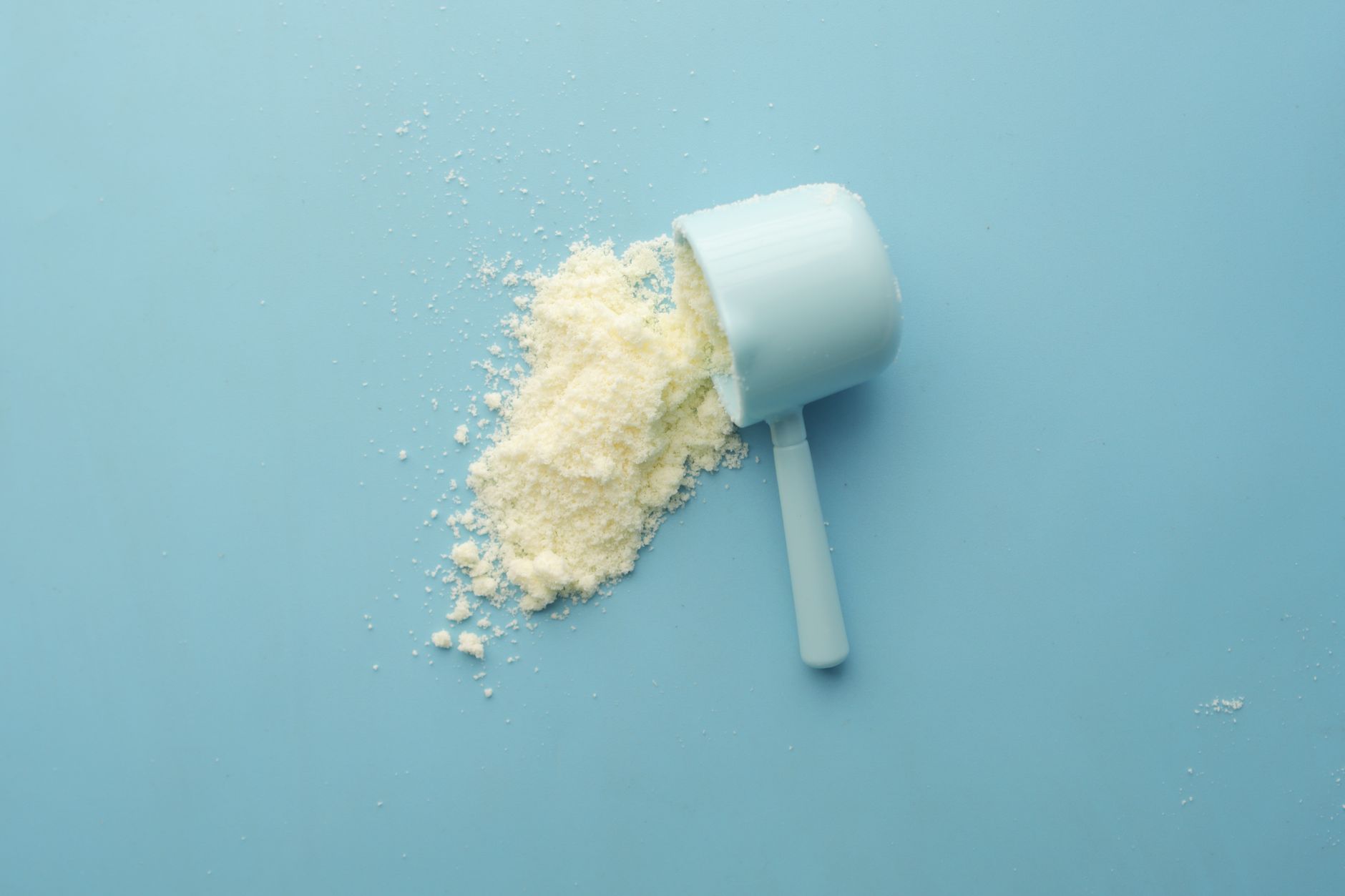
Quick answer: Creatine is a natural compound your body makes from three amino acids (arginine, glycine, and methionine). About 95% of it is stored in your muscles, where it helps recharge the quick energy your cells run on. You also get small amounts from meat and fish, and creatine is one of the most-studied supplements in the world.
If you’ve heard “creatine” and pictured a gym bro with a giant tub of protein powder, you’re not alone. For years, creatine was marketed almost entirely to men trying to bulk up.
That picture is out of date. Researchers now study creatine in women at every life stage, from active women in their twenties to women after menopause. Leading voices include Dr. Abbie Smith-Ryan at UNC Chapel Hill, who studies exercise and women’s health, and Dr. Darren Candow at the University of Regina, who studies aging muscle and bone. A growing share of that research is about more than muscle, including energy, the brain, and bone.
So what is creatine, really? Let’s start at the beginning. (New here? Our Creatine for Women guide walks through everything step by step.)
What is creatine, in plain terms?
Creatine is a small compound made from amino acids, the building blocks of protein. Your liver and kidneys make it from three of them: arginine, glycine, and methionine.
Once it’s made, creatine travels through your blood to the tissues that use the most energy. About 95% ends up in your skeletal muscle. Smaller amounts go to your brain and other organs.
It isn’t something foreign you add to your body. Your body already makes and uses creatine every day. A supplement simply tops up what’s already there.
What does creatine do in the body?
Think of your cells as running on a rechargeable battery called ATP. Every time a muscle contracts or a brain cell fires, it spends some of that charge.
The problem is that your cells only keep a few seconds’ worth of ATP on hand. This is where creatine comes in. Your body stores creatine as phosphocreatine, a ready reserve that recharges ATP almost instantly. That quick recharge matters most during short, intense efforts, like:
- Lifting something heavy (a weight, a toddler, a stack of groceries)
- Sprinting, jumping, or a hard interval in class
- Mentally demanding work, especially when you’re short on sleep
When your creatine stores are fuller, that recharge system has more to work with.
That last bullet is one of the newest areas of study. A 2026 review led by Dr. Candow, with Dr. Eric Rawson and Dr. Scott Forbes among its co-authors, found that creatine supplementation can raise creatine levels in the brain. It also found some benefit during short periods of stress on the brain, like sleep deprivation and mental fatigue. The same authors were careful to say much of the brain research is still early and inconsistent. We’ll always tell you where the evidence is strong and where it’s still developing.
Want the full picture? We break down what creatine does for your muscles, brain, and bones in its own article.
Where does creatine come from?
There are three ways creatine gets into your body:
| Source | How much it provides |
|---|---|
| Your body | Makes roughly half of what you need each day, in the liver and kidneys |
| Food | Mainly red meat and fish. A pound of raw beef or salmon has about 1–2 g. |
| Supplements | Usually 3–5 g per day, made in a lab and vegan-friendly |
Each day, about 1–2% of your stored creatine breaks down into a waste product called creatinine, which you pass in urine. That’s why your body needs a steady daily supply of roughly 1–3 grams just to keep stores where they are.
Read more in Where Does Creatine Come From?
What creatine isn’t: 3 common myths
Myth 1: “Creatine is a steroid.”
It’s not. Dr. Jose Antonio, Dr. Darren Candow, Dr. Scott Forbes, and colleagues addressed this directly in a 2021 review of common creatine myths. They explained that creatine has a completely different chemical structure from anabolic steroids and works in a completely different way. Steroids act on hormone receptors. Creatine supports the energy system inside your cells.
Myth 2: “Creatine is only for men and bodybuilders.”
Research on creatine now includes women, older adults, children, and people who never set foot in a gym. Studies in women look at strength, bone health, mood, and brain function across the lifespan.
Myth 3: “Creatine will make me bulky.”
Creatine doesn’t turn on bulking. Building noticeable muscle size takes years of specific training and eating to match. What many women do notice is being able to push a little harder in their workouts and recover a little better.
Worried about bloating, weight gain, or hair loss? We cover each one in Creatine Myths Women Worry About.
Why creatine matters for women
There are a few reasons creatine for women is getting so much attention:
- Women tend to have smaller creatine stores. In a 2021 review of creatine across women’s lives, Dr. Smith-Ryan and Dr. Candow reported that women have 70–80% lower creatine stores than men.
- Women tend to eat less creatine. The same review notes women generally eat less dietary creatine than men, which makes sense, since red meat and fish are the main food sources.
- Hormones play a role. A 2025 review led by Dr. Smith-Ryan, with sports nutrition expert Dr. Susan Kleiner as a co-author, looked at creatine through menstruation, pregnancy, and menopause. It noted that hormone shifts at each stage can affect how women’s bodies handle creatine, something earlier research often overlooked. The authors were also clear that more research is needed, especially on pregnancy, perimenopause, and the best doses.
- The research reaches beyond the gym. Studies in women have explored strength, muscle and bone after menopause, mood, and cognition.
Curious what the research actually shows? Read Creatine for Women: Benefits Backed by Research, or learn why so many women run low on creatine.
Is creatine safe?
Creatine is one of the most thoroughly researched supplements available. Modern creatine research began in 1992, when Dr. Roger Harris and colleagues in Sweden showed that taking creatine raises creatine levels in human muscle.
Since then, the evidence has piled up. In the International Society of Sports Nutrition’s (ISSN) 2017 official review of the research, led by Dr. Richard Kreider of Texas A&M University, researchers concluded that short- and long-term creatine use is safe and well tolerated in healthy people, from infants to older adults.
In 2025, Dr. Kreider, Dr. Andrew Jagim of Mayo Clinic Health System, Dr. Jose Antonio, and colleagues followed up. They pointed to more than 680 clinical trials with over 12,800 participants and concluded that creatine is safe and beneficial throughout the lifespan.
Research at recommended doses has not shown kidney damage in healthy people. If you have kidney disease, are pregnant or breastfeeding, or take medications, check with your healthcare provider before starting.
How much creatine do women take?
Most research and expert guidance lands on 3–5 grams per day, taken consistently. A “loading phase” of higher doses for the first week is optional. It fills your stores faster, but a daily 3–5 g dose gets you to the same place within a few weeks.
Get the full how-to (dose, loading, and building a daily habit) in How to Take Creatine.
Which type of creatine should you choose?
You’ll see a lot of forms on the shelf: monohydrate, micronized, HCl, buffered, even gummies. Creatine monohydrate is the form behind the vast majority of research. The details matter, though, especially third-party testing and clean ingredients.
- Compare the forms in Types of Creatine Explained
- See the head-to-head comparison in Creatine Monohydrate vs HCl
- Ready to shop? See our picks for the best creatine for women
The bottom line
Creatine is a natural compound your body already makes and uses to power your muscles and brain. Women tend to have smaller stores and eat less of it, and research in women keeps growing. For those reasons, it’s worth understanding, whatever your age or fitness level.
Frequently asked questions
What is creatine made of?
Creatine is made from three amino acids: arginine, glycine, and methionine. Your liver and kidneys produce it, and supplement creatine is made in a lab to the same chemical structure.
What is creatine used for?
Creatine helps your cells quickly recharge ATP, their main energy source. People take it to support strength, exercise performance, and recovery. Research is also looking at its role in the brain, mood, and bone health.
Is creatine good for women?
Research reviews suggest creatine can benefit women across the lifespan, including strength and exercise performance, and muscle and bone support after menopause alongside strength training. Women tend to have lower natural stores than men, which is part of why interest is growing.
Is creatine natural?
Yes. Your body makes creatine every day, and it’s found naturally in meat and fish. Most supplements are made in a lab, so the creatine itself contains no animal products. If you’re vegetarian or vegan, check the label, since some capsules use gelatin.
Does creatine cause weight gain?
Some people see a small increase on the scale in the first week or two, mostly from extra water pulled into muscle cells, not fat. Longer studies suggest this effect may not last. More on creatine myths →
Do I need to “load” creatine?
No. Loading fills your stores faster, but taking 3–5 g daily reaches the same level over a few weeks.
Keep learning
- What Does Creatine Do? How your body makes creatine and uses it in muscle, brain, and bone. → What Does Creatine Do?
- Creatine for Women: Benefits Backed by Research What the studies show, and how strong the evidence is. → Benefits Backed by Research
- Best Creatine for Women Our buyer’s guide and top picks. → Best Creatine for Women
The research behind this article
This article draws on published work by leading creatine researchers:
- Dr. Abbie Smith-Ryan, PhD: University of North Carolina at Chapel Hill; creatine and women’s health
- Dr. Darren Candow, PhD: University of Regina; aging, muscle, bone, and the brain
- Dr. Richard Kreider, PhD: Texas A&M University; creatine safety and performance
- Dr. Jose Antonio, PhD: Nova Southeastern University; creatine myths and education
- Dr. Scott Forbes, PhD and Dr. Eric Rawson, PhD: creatine, cognition, and aging
- Dr. Susan Kleiner, PhD, RD: sports nutrition and women’s nutrition
- Dr. Andrew Jagim, PhD: Mayo Clinic Health System; supplementation and safety
- Dr. Roger Harris, PhD: co-author of the landmark 1992 study on creatine supplementation
These researchers are cited for their published studies. They did not write, review, or endorse this article or any product on this site.
Sources
- Harris RC, Söderlund K, Hultman E. Elevation of creatine in resting and exercised muscle of normal subjects by creatine supplementation. Clinical Science. 1992;83(3):367–374.
- Kreider RB, Kalman DS, Antonio J, et al. International Society of Sports Nutrition position stand: safety and efficacy of creatine supplementation in exercise, sport, and medicine. Journal of the International Society of Sports Nutrition. 2017;14:18.
- Antonio J, Candow DG, Forbes SC, et al. Common questions and misconceptions about creatine supplementation: what does the scientific evidence really show? Journal of the International Society of Sports Nutrition. 2021;18:13.
- Smith-Ryan AE, Cabre HE, Eckerson JM, Candow DG. Creatine Supplementation in Women’s Health: A Lifespan Perspective. Nutrients. 2021;13(3):877.
- Smith-Ryan AE, DelBiondo GM, Brown AF, Kleiner SM, Tran NT, Ellery SJ. Creatine in women’s health: bridging the gap from menstruation through pregnancy to menopause. Journal of the International Society of Sports Nutrition. 2025;22(1).
- Kreider RB, Jagim AR, Antonio J, et al. Creatine supplementation is safe, beneficial throughout the lifespan, and should not be restricted. Frontiers in Nutrition. 2025;12:1578564.
- Candow DG, Pratt J, Fabiano N, Gordji-Nejad A, Smith A, Rawson ES, Moriarty T, Forbes SC, Kerksick CM. Creatine Supplementation and the Brain: Have We Put the Cart Before the Horse? Journal of Dietary Supplements. 2026.
This article is for educational purposes only and is not medical advice. Talk with your healthcare provider before starting any supplement, especially if you are pregnant, breastfeeding, managing a health condition, or taking medication. This page may contain affiliate links; see our Affiliate Disclosure.
Leave a Reply